Table of Contents
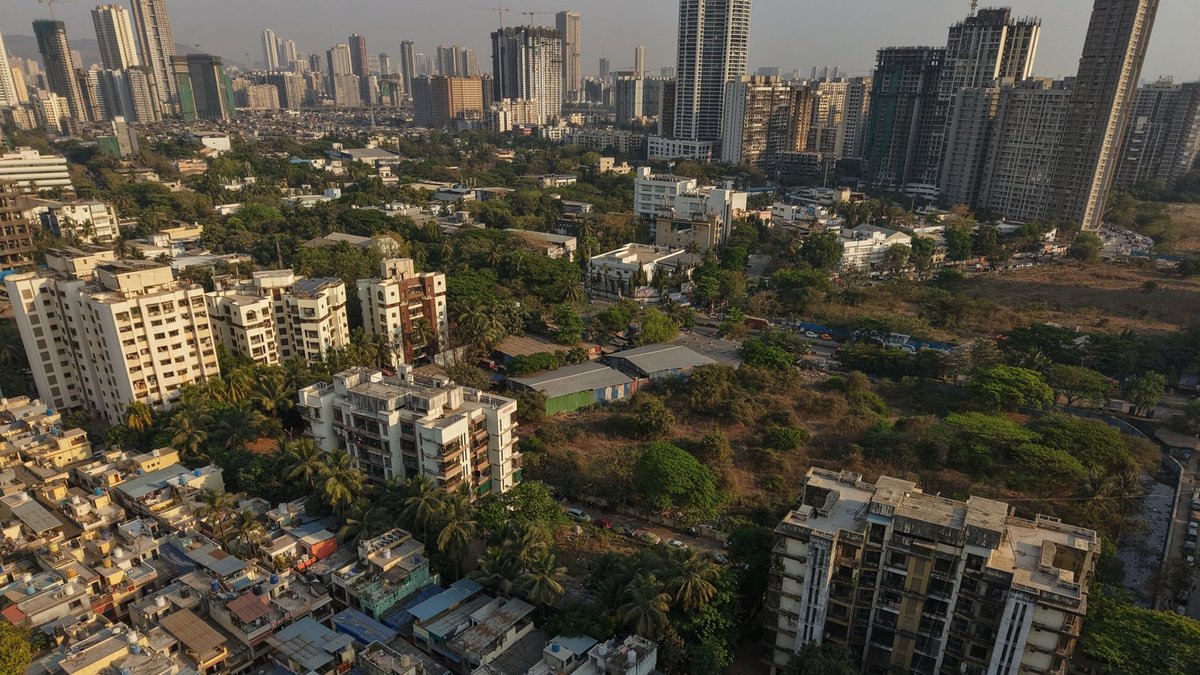
Mumbai is India’s financial capital and, increasingly, one of the most important fintech conference destinations on the planet. India runs the world’s largest real-time payments system in UPI, and the people building it—banks, the regulator, the NPCI, and thousands of fintechs—gather in Mumbai. If your work touches Indian or South Asian payments, this is where the conversations happen.
The headline event, Global Fintech Fest, has grown into the largest fintech gathering in the world by attendance. But Mumbai rewards planning: the city is dense, the traffic is legendary, and where you stay relative to your venue makes or breaks the trip. This guide covers what you actually need to know.
Key Fintech Events in Mumbai
Global Fintech Fest (GFF) — October 8–10, 2026 | Jio World Convention Centre, BKC The world’s largest fintech event by attendance, presented by the payments and fintech industry bodies alongside India’s financial regulators. Expect central-bank governors, the architects of UPI and India’s digital public infrastructure, global payments leadership, and a vast startup floor. Coverage spans UPI and real-time payments, the account aggregator framework, ONDC, CBDC (the digital rupee), lending, and AI in financial services.
In-Store Asia — May 2027 | Bombay Exhibition Centre (NESCO), Goregaon A retail and in-store technology exhibition relevant to the payments-at-checkout and retail-commerce crowd, held in Mumbai’s northern suburbs.
Mumbai also anchors a wide calendar of banking, insurtech, and capital-markets events through the October–February season, many in BKC hotels and the Jio World complex.
Getting There
Chhatrapati Shivaji Maharaj International Airport (BOM) is India’s second-busiest airport and the main gateway to western India. Terminal 2 handles international and most full-service domestic flights; Terminal 1 handles low-cost domestic carriers. The two terminals are several kilometres apart, so leave time if you connect between them.
From the airport to the business districts:
- To BKC (the fintech district): 6–8 km, 20–40 minutes by car. The closest major venue cluster to the airport.
- To South Mumbai (Nariman Point, Fort, Colaba): 20–25 km, 45–90 minutes depending on traffic and time of day.
Use the official prepaid taxi counter inside the terminal, or Uber/Ola from their designated pickup zones. Fares are inexpensive by Western standards. Avoid unmarked “taxi” touts in the arrivals hall.
Metro Line 3 (Aqua Line): Mumbai’s newer underground metro connects the airport corridor with BKC and parts of the city, and it bypasses surface traffic entirely. For the airport–BKC–business-district axis it is often the smartest option, especially during peak hours.
Getting Around
Mumbai traffic is the single biggest variable in your day. Plan around it.
Uber and Ola are the default for visitors—cheap, app-based, and available everywhere. Always allow generous buffer time; a 6 km trip can take 15 minutes or 50 depending on the hour. Pre-book for early-morning airport runs.
Metro: Mumbai’s metro network has expanded significantly, and the Line 3 underground in particular is a traffic-proof way to move along the airport–BKC corridor. Where a metro line serves your route, use it.
Suburban rail is the lifeblood of the city but is extremely crowded at peak times and not recommended for conference attendees unfamiliar with it.
Autorickshaws operate in the suburbs (including the BKC area’s fringes) but not in the central island city south of Bandra. They are metered and cheap for short hops.
A practical rule: stay close to your venue. In a city this size, proximity buys you time and sanity.
Where to Stay
Bandra Kurla Complex (BKC) — best for Global Fintech Fest and most fintech events Staying in or beside BKC means a short walk or quick hop to the Jio World Convention Centre. The Trident BKC and the Jio World complex’s own hotels put you minutes from the venue. This is the most efficient choice if your event is at Jio World.
Bandra The fashionable suburb next to BKC—better restaurants and nightlife than BKC itself, a short ride to the venue, and a good base if you want some life around your hotel in the evening.
South Mumbai (Colaba, Fort, Nariman Point) The historic financial heart, home to landmark hotels like the Taj Mahal Palace. Beautiful and atmospheric, but it’s a long, traffic-dependent commute to BKC—only choose it if your meetings are downtown or you’re willing to trade commute time for location.
Andheri / Airport area Convenient for early flights and a shorter hop to BKC than South Mumbai. Plenty of business hotels. Less charm, more function.
Essential Tips for Mumbai Conferences
- Book early. Mumbai hotel inventory near BKC tightens sharply during Global Fintech Fest week. Reserve 2–3 months ahead.
- Build traffic buffers into everything. The most common mistake first-time visitors make is underestimating travel time. Double your estimate for peak hours.
- Carry some cash. Most venues and hotels take cards and UPI, but rickshaws, small vendors, and tips run on cash. ATMs are everywhere.
- Hydrate and pace yourself. Venues are heavily air-conditioned but the city is hot and humid outside monsoon season. Drink bottled or filtered water.
- Get an eSIM or local SIM. Indian mobile data is cheap and excellent, and you’ll lean on it for Uber, maps, and UPI. Sort it on arrival.
After Hours & Networking Spots
BKC has a growing cluster of upscale bars and restaurants that fill with conference crowds in the evenings. Bandra, a short ride away, is Mumbai’s best district for dinner and informal networking—dense with restaurants and bars across every price point. For a landmark business dinner, the South Mumbai hotels remain the classic choice, though the commute means you’ll want to plan the evening around it. Much of the real GFF networking happens at the dozens of satellite events, brand dinners, and after-parties that orbit the main conference—watch the LinkedIn chatter in the run-up.
Practical Information
- Currency: Indian Rupee (₹). Cards and UPI are widely accepted; keep some cash for small transactions.
- Language: English is the language of business and is universally used at conferences. Hindi and Marathi are the local languages.
- Time zone: India Standard Time (UTC+5:30)—note the unusual half-hour offset.
- Electricity: 230V, plug types C, D, and M. Bring a universal adapter.
- Visa: Most visitors need an e-Visa; apply online before travel.
- Weather: Hot and humid most of the year; comfortable November–February; avoid the June–September monsoon.
Use the expense calculator on each event page to estimate your total cost of attending—registration, flights, hotels, meals, and ground transport—based on your origin city.
Frequently Asked Questions
How do I get from Mumbai Airport to Bandra Kurla Complex (BKC)?
Where is Global Fintech Fest held in Mumbai?
Do I need a visa to attend a conference in Mumbai?
When is the best time of year for conferences in Mumbai?
What's the best way to get around Mumbai during a conference?
What should I know about business etiquette in Mumbai?
About Draško Georgijev
Draško is a fintech product specialist with 20+ years of experience in the payments industry. He currently works as a Product Manager at Nexi Group, and previously led POS/eComm/ATM Operations at FirstDataCorp (Fiserv).
Table of Contents
Get Latest Updates
Subscribe to our newsletter for the latest conference travel insights and destination guides.
We respect your privacy. Unsubscribe at any time.
Upcoming Events
Other Destinations
Amsterdam, Netherlands
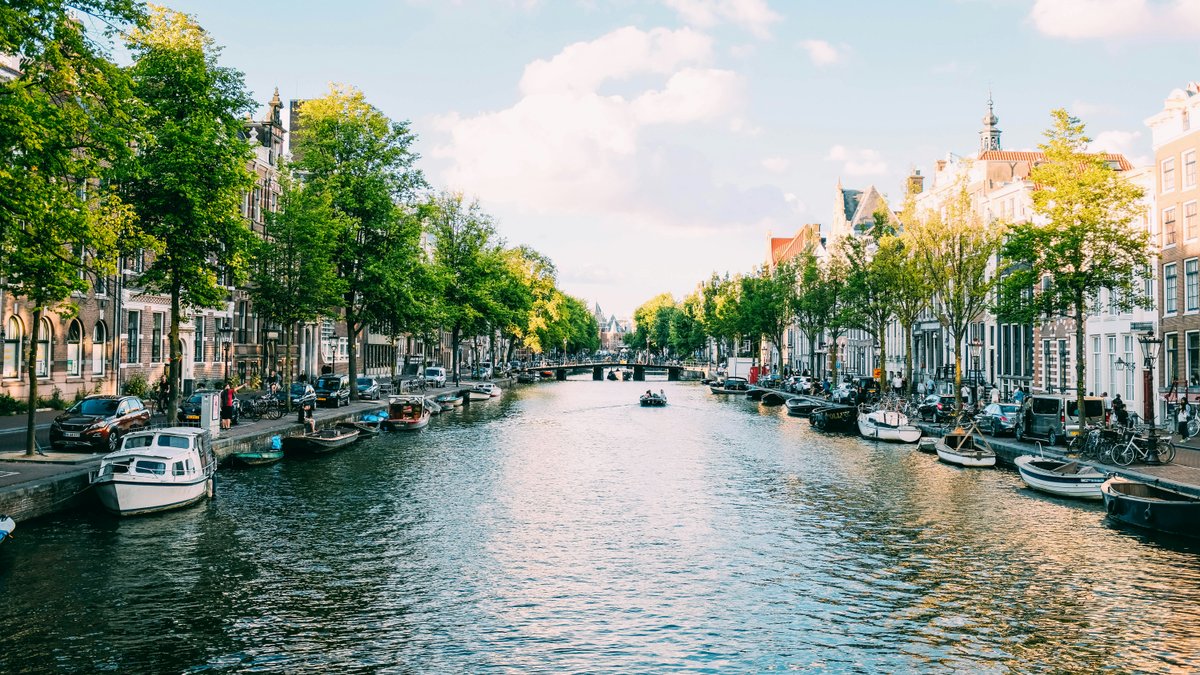
Complete practical guide for attending fintech conferences in Amsterdam, home to Money20/20 Europe, Excellence in Digital Banking, and MoneyLIVE.
Las Vegas, United States
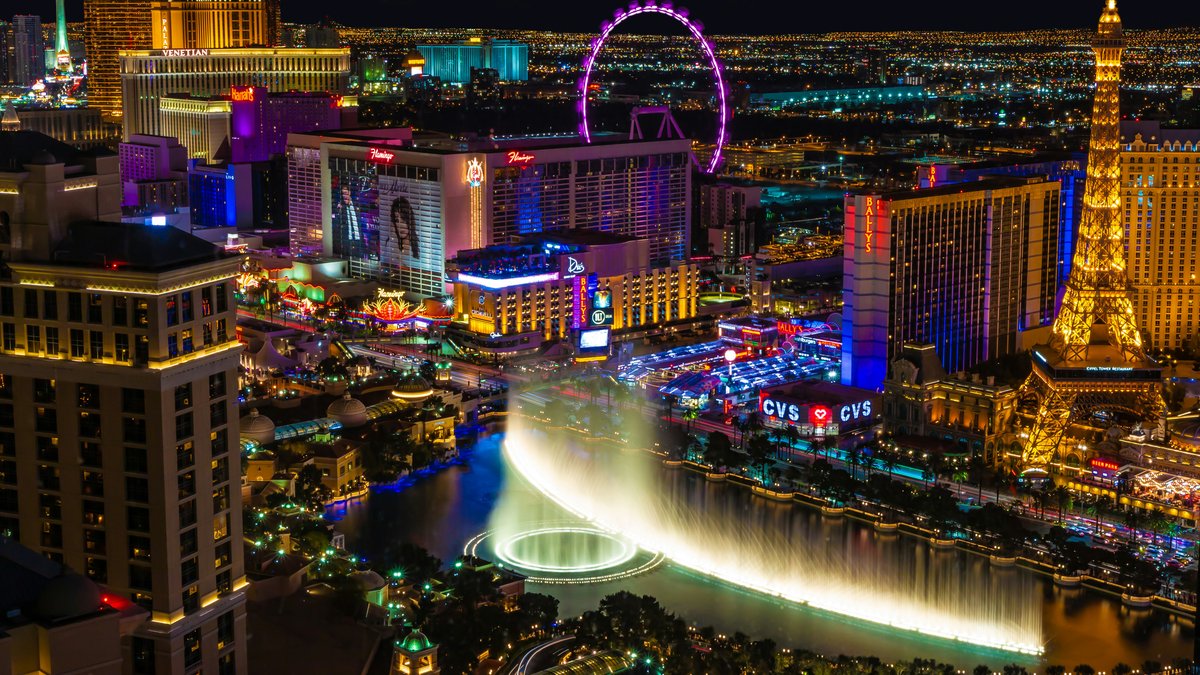
Complete practical guide for attending fintech conferences in Las Vegas—the busiest fintech conference city in the US, home to Money20/20 USA, FinTech Meetup, Fiserv Forum, TRANSACT, and Shoptalk Spring.
Frankfurt, Germany
Complete practical guide for attending fintech conferences in Frankfurt, Germany's financial capital and home to major events like Euro Finance Week and Fintech Connect.