
Table of Contents
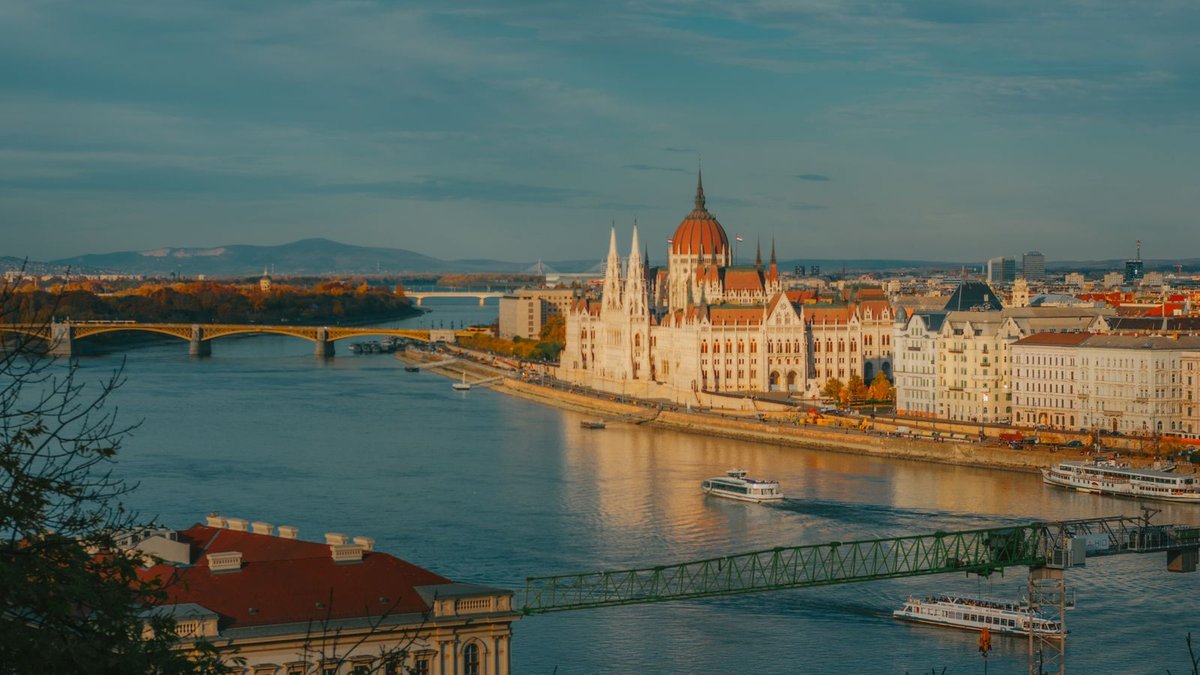
Budapest is one of Europe’s best-value conference cities, and Central and Eastern Europe’s fintech community has noticed. Hungary’s capital pairs serious financial-sector depth with costs well below Western European capitals, an efficient transport system, and a compact, beautiful center where you can walk between most things. For paytech and fintech events serving the CEE region, it’s an increasingly natural host.
It’s also genuinely enjoyable to visit—the thermal baths, the Danube panorama, and the café culture make the downtime between sessions a pleasure. Here’s how to do a conference here well.
Key Fintech Events in Budapest
TechShow X — October 14–15, 2026 | Castle Garden Bazaar, Budapest A technology and innovation showcase set in one of Budapest’s landmark riverside venues, drawing the regional tech and fintech community.
FINTECHSHOW, BANKTECHSHOW and PAYTECHSHOW — Budapest Congress Center A linked family of Hungarian-market events covering fintech, banking technology, and payments respectively, held at the Budapest Congress Center (Budapest Kongresszusi Központ) in the Buda hills. Focused, practitioner-level gatherings for the Hungarian and regional financial-services community.
Budapest also features on the wider CEE circuit alongside UNCHAIN Festival in Oradea and Money Motion in Zagreb—many regional attendees work all three.
Getting There
Budapest Ferenc Liszt International Airport (BUD) lies about 16 km southeast of the city center. It’s a modern, single-terminal airport (Terminal 2) with broad European connectivity and a growing list of long-haul routes.
From the airport to the center:
100E Airport Express bus — the best-value option Cost: ~2,200 HUF (about €5.50), a dedicated ticket Time: 35–45 minutes to Deák Ferenc tér (central interchange of all three classic metro lines) Runs frequently, early morning to late night. Buy the 100E ticket from a machine or the BudapestGO app—standard single tickets are not valid on it.
Taxi — Főtaxi is the official airport partner Cost: ~8,000–10,000 HUF (€20–26) Time: 25–40 minutes depending on traffic Use the official Főtaxi rank or the Bolt app; avoid unmarked cars.
Getting Around
Budapest’s public transport, run by BKK, is one of the best-value systems in Europe—four metro lines (including the historic M1, the oldest on continental Europe), an extensive tram network, and buses, all on one integrated ticket.
Tickets: A single ride is around 450 HUF; a 24-hour travelcard (~2,500 HUF) or 72-hour travelcard (~5,500 HUF) is the obvious choice for a conference and pays for itself quickly. Buy via the BudapestGO app to skip the machines. Validate paper tickets; inspectors are active and fines are steep.
Metro & trams: The M1, M2, M3, and M4 lines cover the core. Tram 2 along the Pest embankment is both useful and one of the most scenic tram rides in Europe.
Walking: Central Pest (districts V, VI, VII) is flat and walkable; you’ll cover most of the downtown on foot.
Ride-hailing: Bolt is the dominant app and is cheap and reliable. (Uber operates only in limited form in Hungary.)
Where to Stay
District V (Belváros / Lipótváros) — the central choice The downtown core, walking distance to the Danube, Parliament, restaurants, and the metro hub at Deák tér. Best base for most visitors—central, safe, and well-connected to any venue.
District VI (Terézváros) — around Andrássy Avenue Elegant, lively, full of restaurants and bars, with the M1 line running underneath Andrássy. A great base if you want dinner and nightlife on your doorstep.
District VII (Erzsébetváros) — the ruin-bar quarter The most energetic evening district, home to Budapest’s famous ruin bars, with plenty of mid-range and boutique hotels. Lively—choose it if you want to be in the middle of the social scene.
Near the Budapest Congress Center (District XII, Buda side) If your event is at the Kongresszusi Központ, a hotel on the Buda side cuts your commute, though central Pest is only a short tram or taxi ride away and offers far more in the evenings.
Essential Tips for Budapest Conferences
- Pay in forint, not euros. When a card terminal offers to charge you in EUR, decline—the “dynamic currency conversion” rate is poor. Withdraw forint from bank ATMs, not airport exchange desks.
- Get the BudapestGO app. It handles tickets (including the 100E airport bus) and journey planning in one place.
- It’s a value city—use that. Budget further than you would in Western Europe; good hotels and restaurants cost noticeably less.
- Build in a bath visit. Széchenyi or Gellért thermal baths are a genuinely restorative way to spend a free morning—and an unconventional but memorable spot for informal conversations.
- Book 1–2 months ahead. Budapest isn’t as conference-saturated as Frankfurt or Amsterdam, so availability is usually good, but the best-located hotels still fill during big events and peak tourist season.
After Hours & Networking Spots
Budapest’s evening scene is one of its biggest draws. District VII’s ruin bars (Szimpla Kert is the famous one) are a uniquely Budapest experience for relaxed networking. For more polished business dinners, the restaurants along the Pest embankment and around Andrássy Avenue deliver excellent food at reasonable prices, often with Danube or Parliament views. Rooftop bars across the center are popular in the warmer months. The compact geography means you can easily move between a venue, dinner, and a nightcap without long transfers—one of the quiet advantages of a conference here.
Practical Information
- Currency: Hungarian Forint (HUF / Ft)—not the euro. Cards widely accepted; carry some cash for small spends.
- Language: Hungarian; English is widely spoken in business, hospitality, and at conferences.
- Time zone: Central European Time (UTC+1 / UTC+2 in summer).
- Electricity: 230V, plug type F (European standard).
- Visa: Schengen rules apply; many nationalities enter visa-free for 90 days (check ETIAS status before travel).
- Weather: Mild and pleasant in spring and autumn; hot summers, cold winters.
Use the expense calculator on each event page to estimate your total cost of attending—registration, flights, hotels, meals, and ground transport—based on your origin city.
Frequently Asked Questions
How do I get from Budapest Airport to the city center?
Do I need a visa to attend a conference in Budapest?
Does Hungary use the euro?
What's the best way to get around Budapest during a conference?
When is the best time of year for conferences in Budapest?
Why is Budapest a good-value conference destination?
About Draško Georgijev
Draško is a fintech product specialist with 20+ years of experience in the payments industry. He currently works as a Product Manager at Nexi Group, and previously led POS/eComm/ATM Operations at FirstDataCorp (Fiserv).
Table of Contents
Get Latest Updates
Subscribe to our newsletter for the latest conference travel insights and destination guides.
We respect your privacy. Unsubscribe at any time.
Upcoming Events
Other Destinations
Amsterdam, Netherlands
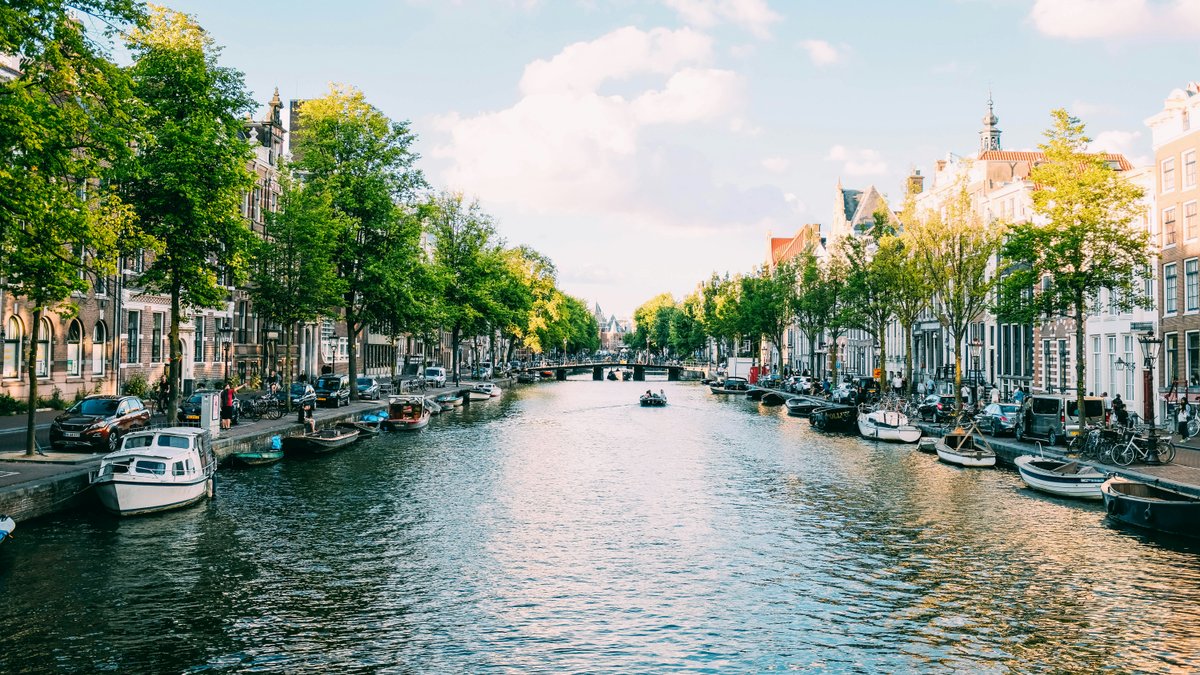
Complete practical guide for attending fintech conferences in Amsterdam, home to Money20/20 Europe, Excellence in Digital Banking, and MoneyLIVE.
Las Vegas, United States
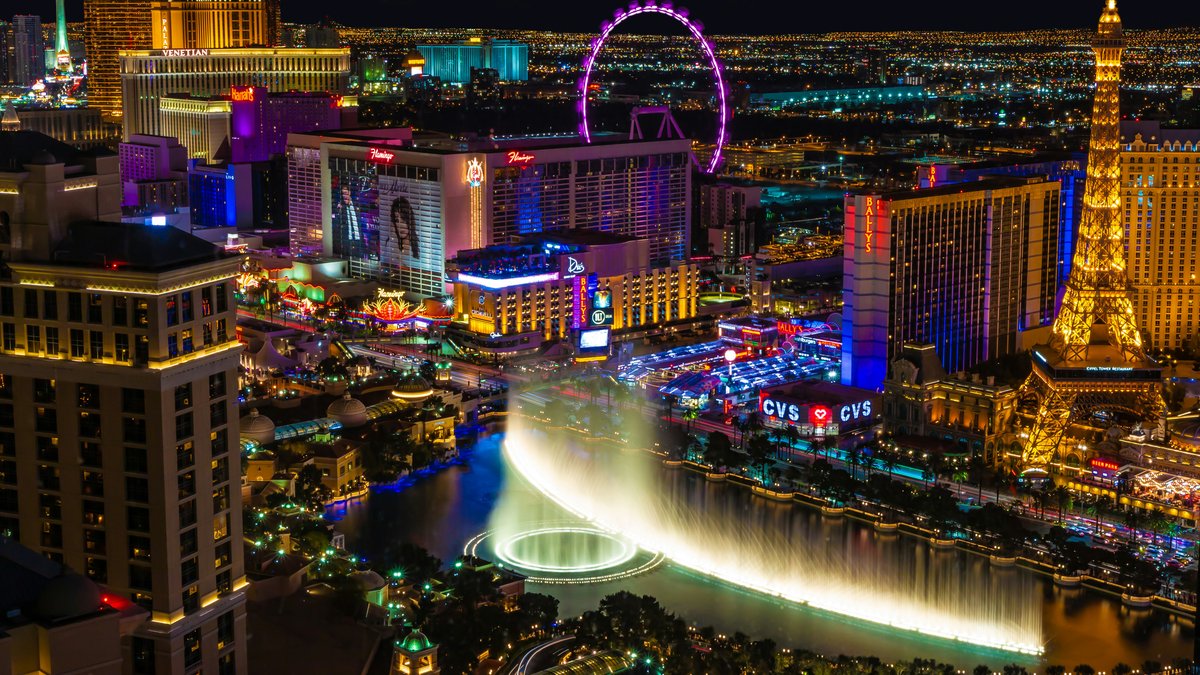
Complete practical guide for attending fintech conferences in Las Vegas—the busiest fintech conference city in the US, home to Money20/20 USA, FinTech Meetup, Fiserv Forum, TRANSACT, and Shoptalk Spring.
Frankfurt, Germany
Complete practical guide for attending fintech conferences in Frankfurt, Germany's financial capital and home to major events like Euro Finance Week and Fintech Connect.